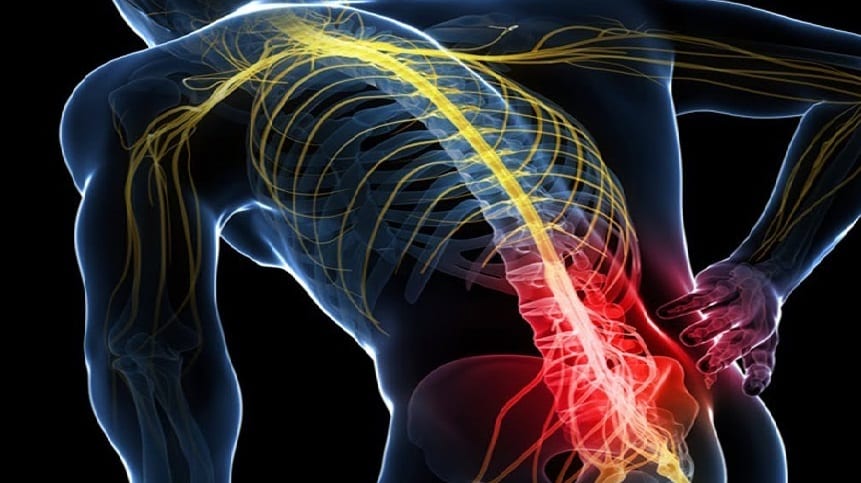
Compton Chiropractic offers a breakthrough solution for chronic lower back pain: the Intracept® Procedure. This minimally invasive, outpatient treatment targets the basivertebral nerve, the source of vertebrogenic back pain, providing long-term relief without implants or spinal fusion.
What is Vertebrogenic Pain?
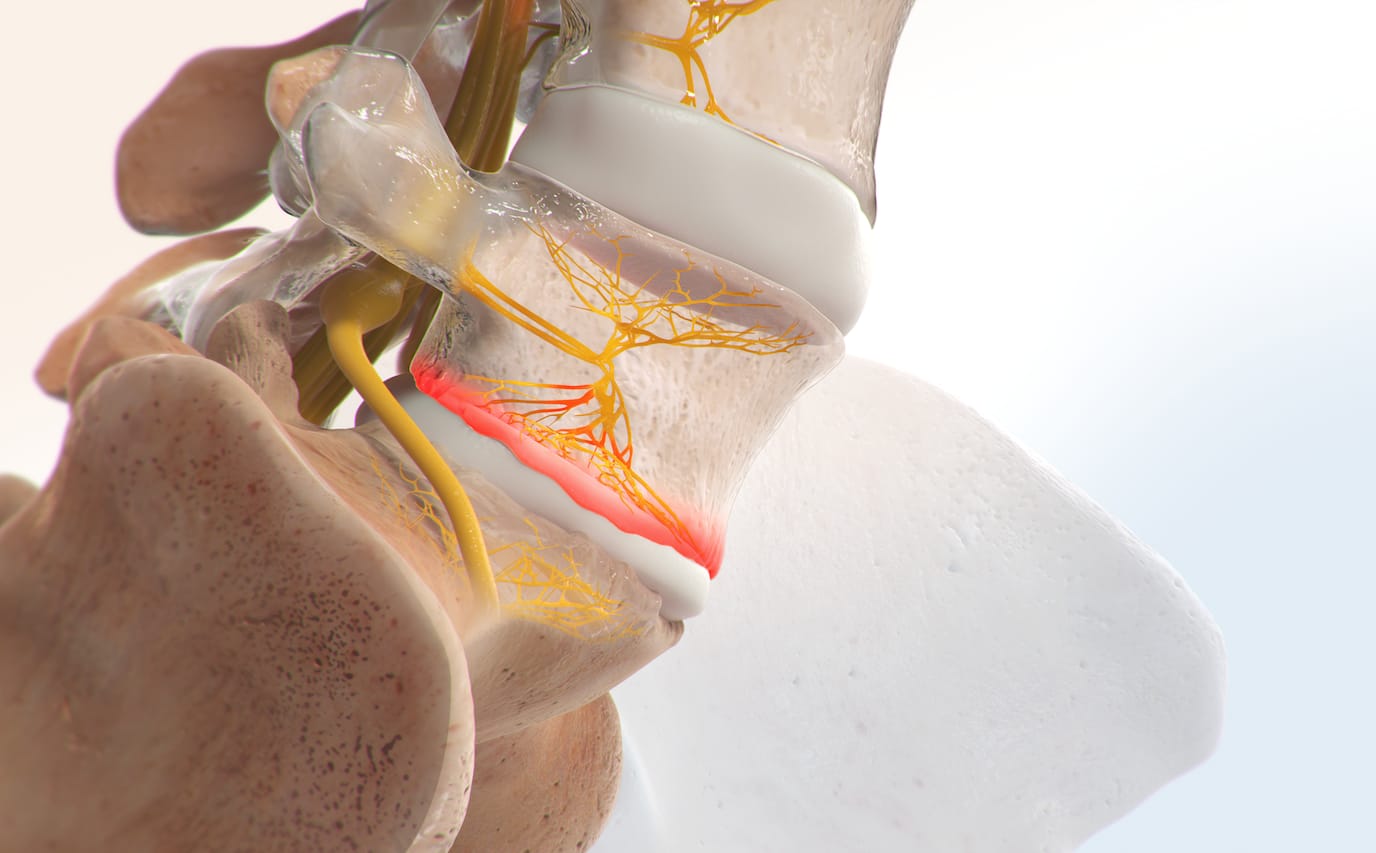
Chronic low back pain can arise from the vertebral endplates (the interface between the disc and the vertebra). When these endplates are damaged, they activate the basivertebral nerve, transmitting chronic pain signals. This condition is often seen on MRI as "Modic changes" and may have previously been diagnosed as "non-specific" back pain.
What is the Intracept® Procedure?
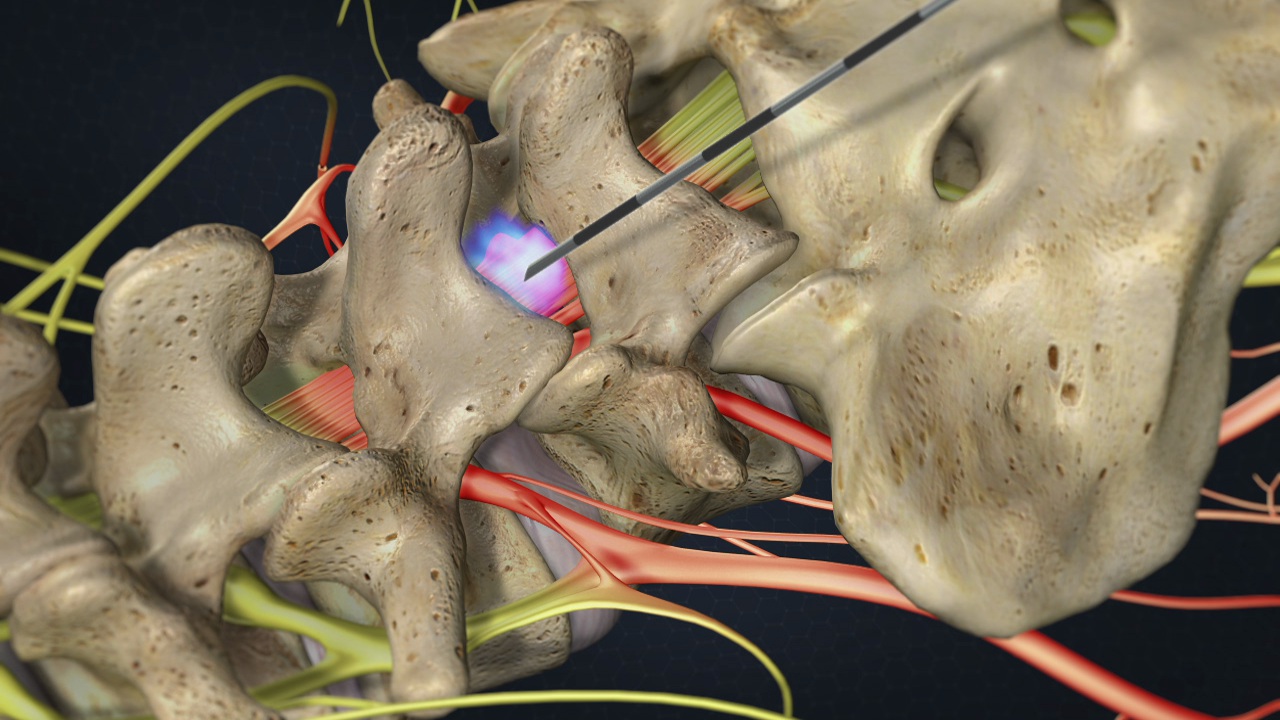
The Intracept® Procedure is an advanced, minimally invasive treatment that uses radiofrequency energy to ablate (deactivate) the basivertebral nerve. By stopping the nerve from sending pain signals, Intracept provides long-lasting relief.
Minimally Invasive: Performed through a small incision.
Outpatient: Go home the same day.
Permanent Relief: The basivertebral nerve does not regenerate.
Are You a Candidate?
Intracept is specifically for pain caused by the basivertebral nerve. You may be a candidate if:
You have lower back pain lasting six months or more.
Traditional treatments have not provided relief.
An MRI confirms vertebrogenic pain (Modic changes).
Intracept is Not Recommended for People Who:
Are diagnosed with scoliosis.
Have severe cardiac or pulmonary conditions, an active infection, or are pregnant.
Are younger than 18 or have an implantable pulse generator (like a pacemaker).
Procedure and Recovery
The Intracept Procedure is performed in an outpatient setting under general anesthesia and typically takes about one hour.
During: A specialized probe is guided into the affected vertebra using X-ray (fluoroscope) guidance. Radiofrequency energy is then delivered to deactivate the nerve.
After: Patients return home the same day. You must have someone drive you home. Avoid driving and strenuous activity for the first 24 hours.
Results: Pain relief typically begins within two to six weeks, with continued improvement over time.